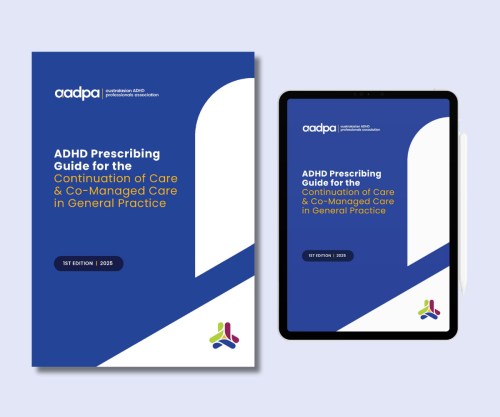
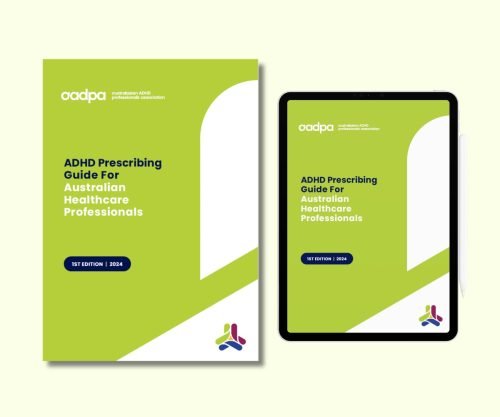
Description
The ADHD Guideline integrates the best available evidence with multi-disciplinary clinical expertise and consumer preferences.
The Guideline aims to promote accurate and timely diagnosis and provide guidance on optimal and consistent assessment and treatment of ADHD. Comprising 111 recommendations for diagnosing, assessing, and treating ADHD across the lifespan, it represents the most comprehensive guideline developed since the influential NICE 2018 guideline for “Attention Deficit Hyperactivity Disorder: Diagnosis and Management” produced for use in the UK.
The Guideline was developed by updating the evidence reviews, conducting new evidence reviews for questions not addressed by NICE, and adapting the guidance to the Australian context. It underwent extensive reviews, including public consultation, where over 700 comments were addressed, an international expert review, and an expert methodological review commissioned by the NHMRC.
An accompanying Consumer Companion, fact sheets and other resources can be found on the Australian ADHD Guideline website.

Consumer Companion
Developed to make the Guideline more accessible for individuals with ADHD and their families.

Guideline Factsheets
Download a range of helpful factsheets for consumers and clinicians on the Guideline website.

Summary of Recommendations
Download a summary of recommendations outlining the four key elements of each recommendation.
Approvals
The Australian Evidence-Based Clinical Guideline For ADHD has been approved by the NHMRC and endorsed by APS, RACP, RACGP, Speech Pathology Australia, Occupational Therapy Australia, ACPA, AAPI, ADHD WA, ADHD Foundation, RANZCP, ADHD Australia and the World Federation of ADHD.